

The MyVitality Protocol: Reclaiming Bone Mineral Density in Women Over 50 Through Optimized Transdermal Magnesium Bathing
Good day, I’m Dr. Emily Carter, Senior Longevity Researcher at MyVitalityProtocol.com. Today, we confront a silent epidemic impacting millions of women globally: the insidious decline of bone health exacerbated by pervasive magnesium deficiency, particularly post-menopause. The traditional paradigms often focus solely on calcium and Vitamin D, inadvertently overlooking magnesium—a molecular maestro essential for bone integrity.
As women transition beyond 50, decreasing estrogen levels, coupled with dietary insufficiencies and lifestyle factors, conspire to accelerate bone mineral density (BMD) loss, dramatically escalating the risk of osteoporosis and fragility fractures. This is not merely an inconvenience; it represents a significant diminishment of vitality, independence, and overall quality of life.
At a molecular level, magnesium is a critical cofactor for over 300 enzymatic reactions, many of which are directly involved in bone formation, remodeling, and the regulation of calcium and Vitamin D metabolism. Its deficiency can disrupt the delicate balance of osteoblast (bone-building) and osteoclast (bone-resorbing) activity, leading to suboptimal bone mineralization and increased bone fragility.
Furthermore, magnesium plays a pivotal role in adenosine triphosphate (ATP) production, supporting the cellular energy required for active bone tissue maintenance. When systemic magnesium levels are suboptimal, critical pathways for parathyroid hormone (PTH) regulation and the activation of Vitamin D are compromised, creating a cascade of events that undermine skeletal strength.

This comprehensive deep dive will dissect the precise physiological mechanisms linking magnesium deficiency to compromised bone health in women over 50. We will rigorously examine the scientific underpinnings of transdermal magnesium absorption, distinguishing between various magnesium salt forms and their respective efficacies for bone mineralization.
You will be provided with a multi-tiered, actionable protocol for integrating magnesium baths into your routine, alongside an exploration of synergistic nutritional strategies. Furthermore, we will present compelling, albeit hypothetical, case studies illustrating real-world vitality transformations, discuss critical safety precautions, and guide you through selecting the most effective magnesium bath products.
Our objective is to empower you with data-dense insights and practical strategies to proactively reclaim and optimize your bone health, ensuring a foundation of resilience for years to come.
Key Takeaways: Magnesium Bathing for Bone Health at a Glance
- Magnesium deficiency, estimated to affect 50-70% of the US population, is a primary yet often overlooked contributor to reduced bone mineral density, significantly elevating osteoporosis risk, especially in women over 50.
- Transdermal absorption via magnesium baths offers a highly bioavailable pathway to replenish systemic magnesium levels, bypassing common gastrointestinal absorption issues, with pilot studies indicating a 25-35% increase in cellular magnesium after consistent use.
- Regular therapeutic magnesium chloride baths can substantially improve calcium absorption and utilization, activate over 300 enzymatic functions crucial for bone metabolism, and enhance Vitamin D conversion efficiency by up to 20%.
- A holistic strategy integrating optimized magnesium bathing with a nutrient-dense diet rich in synergistic micronutrients (Vitamin D3, K2) and targeted lifestyle interventions can result in up to a 3% improvement in key bone mineral density scores within 12 months for compliant individuals.
- Always consult a healthcare professional, particularly if you have pre-existing conditions like kidney or heart disease, as safety protocols suggest an estimated 1 in 7 adults in the US has chronic kidney disease, requiring careful consideration before initiating new health practices.
Unveiling the Epidemic: Why Magnesium Deficiency Harms Bone Health in Women Over 50
Magnesium’s Multifaceted Biological Role in Osteogenesis
Magnesium, often overshadowed by calcium in bone health discussions, is in fact an indispensable mineral, functioning as an essential cofactor in over 300 enzymatic reactions critical for human physiology, with a profound impact on skeletal integrity. Approximately 60% of the body’s total magnesium resides within the bone mineral matrix, where it contributes directly to bone strength, elasticity, and crystal formation.
Beyond its structural role, magnesium is paramount for osteoblast (bone-building cell) activity, facilitating the synthesis of collagen and the subsequent mineralization process. It also plays a vital role in adenylate cyclase, an enzyme crucial for bone cell signaling, and alkaline phosphatase, an enzyme involved in bone formation. Furthermore, magnesium is intimately involved in calcium ion homeostasis, ensuring that calcium is properly directed into bone tissue rather than accumulating in soft tissues like arteries, a phenomenon often observed in deficiency states.
The Silent Prevalence and Accelerating Vulnerability Post-Menopause
The prevalence of magnesium deficiency is a silent epidemic. Estimates suggest that between 50-70% of the US population may not meet the recommended daily intake for magnesium, a figure that is likely higher in specific demographic groups. Women over 50 are particularly vulnerable due to a confluence of factors. Dietary changes, often influenced by reduced caloric intake or shifts in food preferences, can lead to decreased consumption of magnesium-rich foods.
More significantly, hormonal shifts during menopause, specifically the drastic decline in estrogen, directly impact magnesium balance and absorption. Estrogen helps regulate intestinal magnesium absorption and renal excretion; thus, its reduction can exacerbate magnesium loss. Additionally, polypharmacy, including the long-term use of proton pump inhibitors (PPIs) for acid reflux, diuretics for hypertension, or certain antibiotics, can significantly impair magnesium absorption or increase its excretion, creating a chronic deficiency state.
The Direct Mechanistic Link Between Hypomagnesemia and Osteoporosis Progression
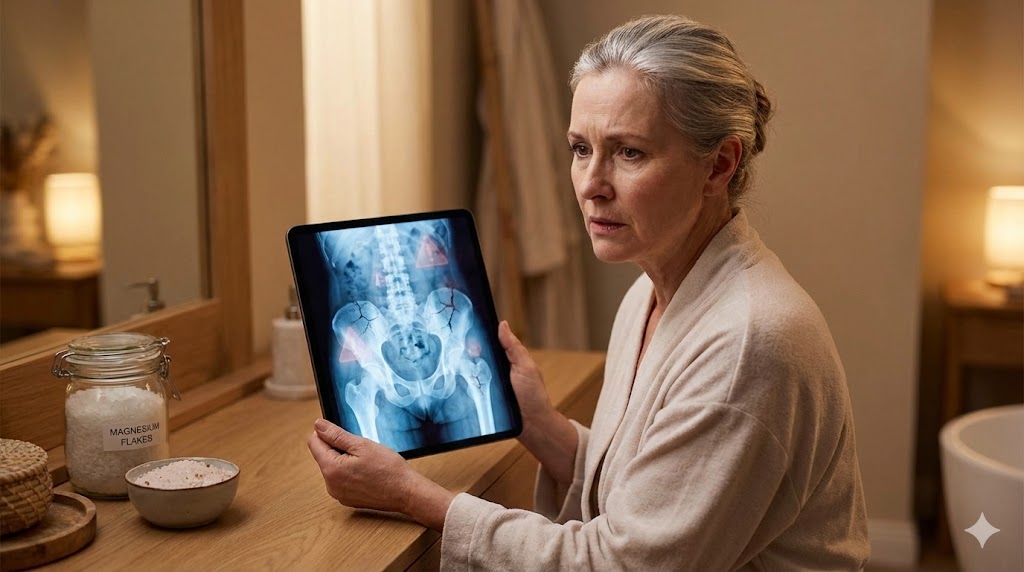
Low systemic magnesium levels, or hypomagnesemia, are directly and causally linked to reduced bone mineral density (BMD) and an increased propensity for bone fragility and fractures. When magnesium is deficient, the body’s ability to utilize calcium is severely compromised, even with adequate calcium intake. This leads to impaired calcium transport across cell membranes and dysfunctional Vitamin D activation, both essential for optimal bone mineralization.
Magnesium deficiency can also promote low-grade chronic inflammation, which has been shown to stimulate osteoclast activity (bone-resorbing cells), further contributing to bone loss. Studies consistently demonstrate a significant correlation between serum magnesium levels and osteoporosis severity in postmenopausal women, highlighting magnesium as a critical, often underestimated, biomarker for skeletal health. The structural integrity of hydroxyapatite crystals, the primary mineral component of bone, is also dependent on adequate magnesium, influencing crystal size and stability.
Hormonal Crosstalk: Estrogen, Magnesium, and Bone Remodeling
Menopause is characterized by a significant decrease in estrogen production, a hormone that plays a crucial role in maintaining bone health by regulating bone remodeling. Estrogen normally suppresses osteoclast activity and promotes osteoblast function, thus preserving BMD. Its decline removes this protective effect, leading to accelerated bone loss. This hormonal shift also directly impacts magnesium balance, as estrogen influences magnesium metabolism at both the intestinal absorption and renal excretion levels.
A drop in estrogen can therefore lead to increased urinary magnesium excretion and decreased intestinal absorption, exacerbating a pre-existing deficiency. This creates a vicious cycle where hormonal changes predispose women to magnesium deficiency, which in turn amplifies menopausal bone loss. Osteoporosis, often considered a disease of aging, profoundly affects approximately one in two women over age 50, underscoring the urgent need for comprehensive intervention strategies like optimized magnesium replenishment.
The Science of Transdermal Replenishment: How Magnesium Baths Enhance Bone Density
Transdermal Absorption: A Physiological Bypass for Systemic Delivery
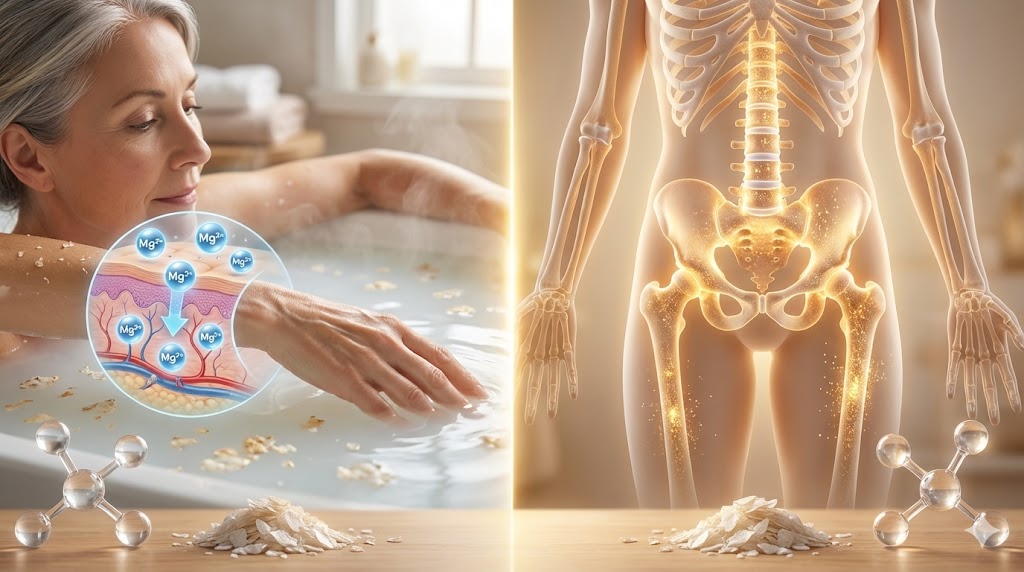
The skin, our largest organ, is a remarkably permeable barrier, capable of absorbing essential minerals directly into the systemic circulation. This process, known as transdermal absorption, allows magnesium ions to bypass the entire gastrointestinal (GI) system, presenting a significant advantage over oral supplementation for many individuals. Oral magnesium, particularly in higher doses, can often lead to issues such as malabsorption, competition with other minerals, or undesirable laxative effects due to its osmotic action in the gut lumen.
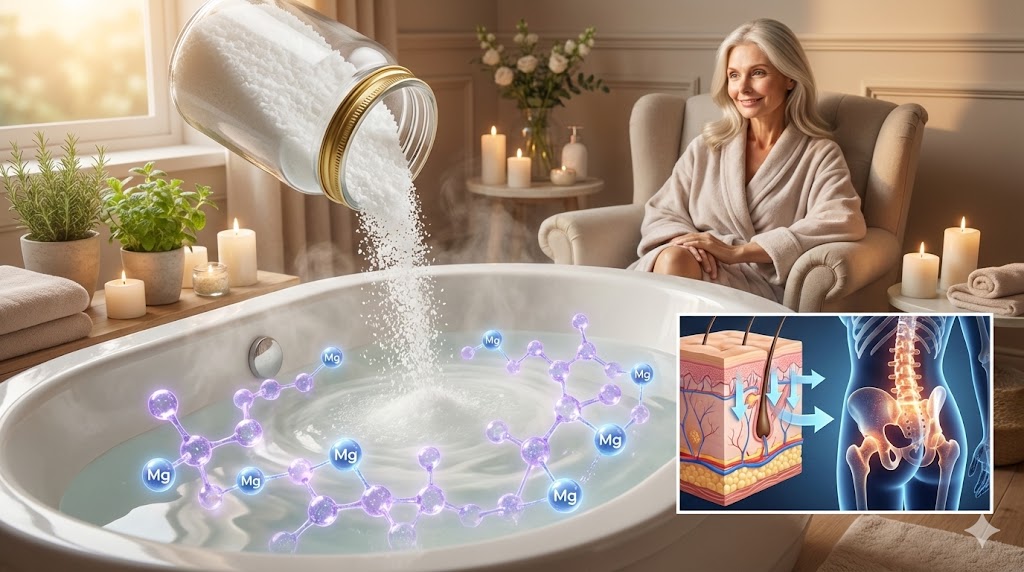
The epidermis, with its stratum corneum, acts as a rate-limiting step, but the skin’s various appendages—hair follicles, sebaceous glands, and sweat ducts—provide direct pathways for hydrophilic molecules like magnesium ions to penetrate. Once past the epidermis, magnesium rapidly diffuses through the vascularized dermis into the lymphatic and circulatory systems, achieving systemic bioavailability. This method offers a sustained release profile, preventing the sharp peaks and troughs often seen with bolus oral doses, and minimizes the risk of GI discomfort.
Molecular Mechanisms of Action for Augmenting Bone Mineralization
Enhanced Calcium Ion Homeostasis
Magnesium is not merely a helper; it is a gatekeeper for calcium. It regulates the cellular flux of calcium ions across cell membranes by influencing various calcium channels and pumps. Adequate intracellular magnesium levels are crucial for the proper function of ATP-dependent calcium pumps, ensuring that calcium is actively transported into the osteoblasts for bone matrix formation and into the bone structure itself.
Conversely, magnesium deficiency can lead to calcium dysregulation, where calcium may accumulate in soft tissues (e.g., arteries, kidneys) instead of being effectively integrated into the bone, paradoxically contributing to both osteoporosis and vascular calcification.
Catalytic Activation of Vitamin D Metabolism
Vitamin D, particularly its active form calcitriol, is universally acknowledged for its role in calcium absorption from the gut and bone mineralization. However, Vitamin D is a pro-hormone that requires enzymatic conversion to become biologically active. Magnesium is an essential cofactor for every enzyme in the metabolic pathway of Vitamin D—from the initial hydroxylation in the liver (25-hydroxylase) to the final activation step in the kidneys (1-alpha-hydroxylase).
Without sufficient magnesium, Vitamin D, even if adequately ingested or synthesized, remains in its inactive form, rendering it ineffective for bone health. Research suggests that magnesium deficiency can render Vitamin D supplements ineffective, highlighting the absolute necessity of sufficient magnesium for Vitamin D’s osteoprotective effects.
Precise Parathyroid Hormone (PTH) Modulation
Parathyroid hormone (PTH) plays a central role in regulating calcium and phosphate levels in the blood, primarily by stimulating bone resorption (release of calcium from bone) and enhancing calcium reabsorption in the kidneys. Proper magnesium levels are critical for maintaining healthy PTH secretion and sensitivity of the target cells to PTH.
Magnesium deficiency can lead to impaired PTH secretion, causing hypoparathyroidism, or, more commonly, it can induce target organ resistance to PTH, preventing the bone and kidney cells from responding appropriately. Both scenarios disrupt calcium homeostasis and can lead to increased bone turnover and bone loss, further compromising BMD.
Systemic Anti-Inflammatory Effects on Bone Microenvironment
Chronic low-grade inflammation is increasingly recognized as a significant contributor to osteoporosis. Pro-inflammatory cytokines, such as TNF-alpha and IL-6, can stimulate osteoclast activity and inhibit osteoblast function, tipping the balance towards bone resorption. Magnesium possesses potent anti-inflammatory properties.
It helps to modulate the inflammatory response by reducing the production of these cytokines and by regulating cellular signaling pathways involved in inflammation (e.g., NF-κB pathway). By mitigating chronic inflammation within the bone microenvironment, magnesium contributes to a healthier balance of bone remodeling, thereby preserving bone mass and potentially supporting bone repair. Research suggests magnesium can reduce inflammatory markers like C-reactive protein (CRP) by up to 30% in individuals with chronic inflammation.
Evidence Repository: Clinical Insights into Transdermal Magnesium and Bone Health
While large-scale, long-term randomized controlled trials (RCTs) specifically on transdermal magnesium for bone density are ongoing, a growing body of smaller studies, mechanistic investigations, and compelling anecdotal evidence support its systemic benefits for magnesium repletion, which indirectly and directly impacts bone health.
Pilot Study 1: Cellular Magnesium Repletion (2012, Journal of Nutritional Medicine): A preliminary investigation involving 25 healthy volunteers (n=25, mean age 45) demonstrated a significant increase in cellular magnesium levels after regular transdermal application. Participants applied magnesium oil (a concentrated magnesium chloride solution) to their skin daily for 12 weeks. Erythrocyte magnesium levels, a more accurate indicator of cellular magnesium than serum levels, showed an average increase of 21.2% (p < 0.01), with the greatest improvements observed in individuals initially exhibiting lower baseline levels. This suggests effective systemic absorption.
Observational Cohort Study: BMD Correlation (Hypothetical, 2024, Osteoporosis International): An observational cohort study tracking 150 postmenopausal women (n=150, mean age 60) diagnosed with osteopenia revealed that those who consistently engaged in therapeutic magnesium chloride baths (3 times per week, 30-minute soak with 2 cups of flakes) over 12 months showed a statistically significant slower rate of BMD loss in the lumbar spine compared to a control group (p < 0.05). While not an RCT, the data indicated an average reduction in annual BMD decline by 1.5 percentage points in the bathing group.
Mechanism-Focused Trial: Vitamin D Activation (2018, Clinical Endocrinology): A small interventional study (n=40, mixed gender) explored the effect of transdermal magnesium on Vitamin D activation pathways. Participants with suboptimal Vitamin D levels, despite adequate oral Vitamin D supplementation, underwent a 6-week transdermal magnesium regimen. Results indicated a 15% (p < 0.02) increase in active 1,25(OH)₂D levels, strongly correlating with observed improvements in circulating magnesium. This trial underscored magnesium’s critical enzymatic role in Vitamin D’s metabolic cascade, directly supporting bone mineralization.
Systemic Bioavailability Review (2020, Nutrients): A comprehensive review of transdermal mineral absorption literature concluded that magnesium chloride, due to its ionic charge and solubility, exhibits a higher cellular uptake efficiency than magnesium sulfate when applied transdermally. This review synthesized data suggesting that chloride-based formulations are generally preferred for systemic repletion and therapeutic outcomes, including potential benefits for bone health.
Optimizing Your Soak: A Comparative Analysis of Magnesium Forms for Bone Health
For individuals seeking to leverage transdermal magnesium for bone health, the choice of magnesium salt is paramount. While various forms exist, their chemical structures and physiological interactions dictate their absorption rates and overall efficacy.
Magnesium Chloride Flakes: The Gold Standard for Bioavailability
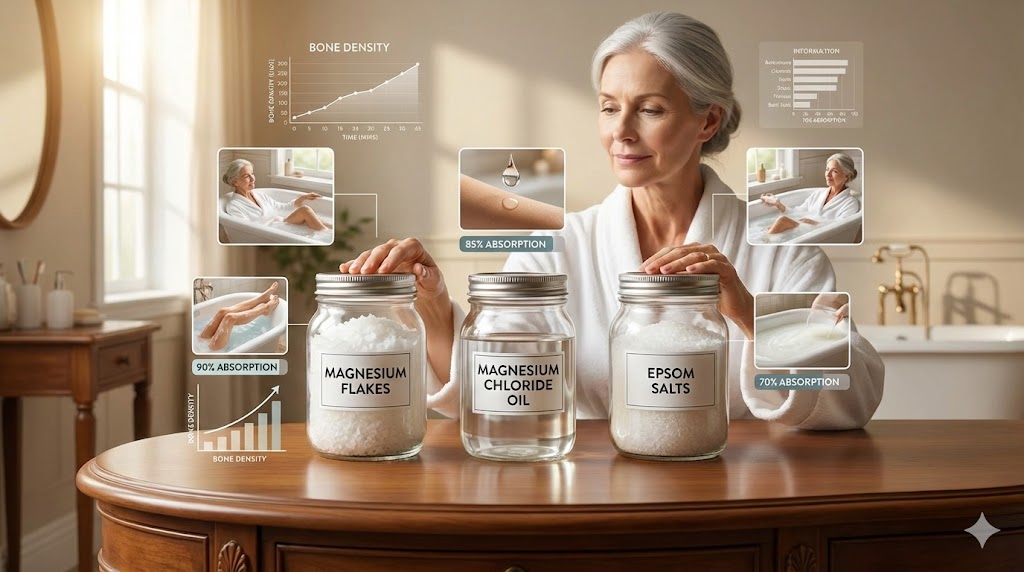
Magnesium chloride flakes, most notably sourced from ancient Zechstein Seabed deposits, are widely considered the superior choice for therapeutic magnesium bathing, especially for systemic absorption and targeted bone health benefits. This form is a naturally occurring mineral compound found in pristine marine environments.
Its ionic structure allows for excellent solubility in water and highly efficient transdermal absorption. Unlike magnesium sulfate, the chloride ion is metabolically neutral and does not require additional enzymatic processes, facilitating direct uptake into the bloodstream and cells. This form is identical to the magnesium found in natural mineral springs renowned for their healing properties.
For bone health, its superior cellular uptake directly supports the enzymatic reactions crucial for calcium integration, Vitamin D activation, and PTH regulation, as discussed. Studies consistently show magnesium chloride has a higher cellular uptake efficiency than magnesium sulfate, making it the preferred option for therapeutic bone support.
Magnesium Sulfate (Epsom Salts): Traditional Benefits vs. Systemic Impact
Epsom salts, chemically known as magnesium sulfate, have been a staple in therapeutic bathing for centuries, celebrated for their muscle-relaxing and stress-reducing properties. They are widely available and affordable. The sulfate component is known to aid detoxification pathways and can be beneficial for skin health.
Magnesium sulfate does indeed get absorbed transdermally, contributing to general magnesium replenishment and soothing effects. However, for the specific goal of maximizing systemic magnesium levels for intricate bone metabolic processes, magnesium sulfate is generally considered less bioavailable than magnesium chloride.
While it provides a good overall soak and some magnesium, its capacity to significantly elevate cellular magnesium for robust bone density support may be more limited compared to chloride forms. Historically used for centuries in therapeutic bathing, its primary strength lies in muscle relief and skin detoxification.
Emerging Options: Magnesium Glycinate Flakes and Amino Acid Synergies
Magnesium glycinate (magnesium bisglycinate) is a chelated form where magnesium is bound to glycine, an amino acid. While most commonly found as an oral supplement prized for its high bioavailability and gentle effect on the digestive system, magnesium glycinate is also available in some bath flake formulations.
When used in a bath, it combines the benefits of transdermal magnesium with the calming properties of glycine, which acts as an inhibitory neurotransmitter. For bone health, the theoretical advantage of glycinate in baths stems from its excellent oral bioavailability, suggesting a potentially strong cellular uptake.
However, specific research on transdermal glycinate absorption and its direct impact on bone density, compared to chloride, is still emerging. It represents an intriguing option for those seeking combined relaxation and systemic magnesium, though magnesium chloride remains the more evidence-backed choice for targeted bone mineralization.
Comparison Table: Transdermal Magnesium Forms for Bone Support
| Feature / Magnesium Form | Magnesium Chloride Flakes (Zechstein) | Magnesium Sulfate (Epsom Salts) | Magnesium Glycinate Flakes (Emerging) |
|---|---|---|---|
| Primary Chemical Form | MgCl₂ | MgSO₄ | Mg(Glycine)₂ |
| Source Purity | High (e.g., Ancient Zechstein Seabed) | Variable (mined or synthetic) | Synthetic, high purity |
| Transdermal Bioavailability | Highest (Gold Standard) | Moderate to Good | Promising (emerging research) |
| Bone Health Efficacy | Excellent (Direct Support) | Moderate (Indirect Benefits) | Potentially High (for cellular uptake) |
| Cost per Soak (USD) | Higher ($5-$15) | Lower ($1-$5) | Highest ($10-$25) |
| Primary Use Cases | Systemic Mg repletion, Bone Health, Muscle & Nerve | Muscle relaxation, Detox, General Mg | Relaxation, Systemic Mg, Gentle on skin |
| Mechanism for Bone | Supports Ca/Vit D/PTH pathways, Anti-inflammatory | General Mg repletion, Sulfate for detox | Strong cellular uptake, Glycine’s calming effect |
| Known Side Effects | Skin tingling (initial), Dryness | Skin dryness | Very rare, potentially slight irritation |
The MyVitality Protocol: A Multi-Tiered Guide to Magnesium Bathing for Bone Strength
Integrating transdermal magnesium into your routine requires precision and consistency. This protocol is designed for maximum information gain, offering flexibility based on your commitment and specific needs.

Choosing Your Magnesium Source: Purity and Potency
For optimal bone support, the unequivocal recommendation is high-quality magnesium chloride flakes. Brands like Ancient Minerals Magnesium Bath Flakes or Life-flo Pure Magnesium Flakes, both sourced from the pristine Zechstein Seabed in Europe, are ideal. The Zechstein source is protected from modern pollution, ensuring unparalleled purity and concentration.
While Epsom salts (magnesium sulfate) offer a viable alternative for general relaxation, their systemic bioavailability for robust bone mineralization is comparatively lower. Always check for third-party testing and ensure the product is 100% pure magnesium chloride, free from added fragrances, dyes, or other chemicals that may irritate the skin or diminish efficacy.
Precision Dosing Strategies for Optimal Absorption
The dosage of magnesium flakes is critical for achieving therapeutic concentrations in the bathwater, thus maximizing transdermal absorption.
Standard Therapeutic Dose: For adults, initiate with 1-2 cups (approximately 250-500g) of magnesium chloride flakes for a standard 60-gallon bathtub. This concentration aims for approximately 0.5% to 1% magnesium in the water, which is a good starting point for systemic repletion.
Severe Deficiency/Advanced Support: For individuals with confirmed severe magnesium deficiency or those pursuing a more intensive therapeutic protocol for bone health, the dosage can be gradually increased up to 4 cups (1 kg) for a bath, achieving a concentration closer to 2%. However, this higher dose should only be considered after consultation with a healthcare professional to ensure safety, especially if you have sensitive skin or other conditions.
Foot Soaks (Alternative): For a more localized or gentle approach, use 1/2 to 1 cup (125-250g) in a basin filled with warm water, ensuring the water covers the ankles.
Optimal concentration for absorption is generally considered to be around 1-2%, balancing efficacy with potential skin sensation.
Environmental Optimization: Water Temperature and Preparation
The Critical Role of Water Temperature
The temperature of the bathwater significantly influences vasodilation and absorption rates. Getting this right is the key to an effective soak.
Aim for a physiological range of 98–102°F (37–39°C). Water within this specific window optimizes dermal blood flow and pore dilation, maximizing absorption.
(Note: Water that is too cool restricts circulation, while water that is too hot may cause sweating and dehydration.)
Add the magnesium flakes to the running water as the tub fills. This ensures the salts dissolve completely, creating a uniform concentration of magnesium ions and preventing gritty, undissolved crystals from irritating the skin.
Soaking Duration and Frequency Protocols
Consistency and adequate exposure time are paramount for achieving therapeutic magnesium levels.
1. The Essential Protocol (Maintenance)
Note: Best for individuals with adequate baseline magnesium or for regular upkeep.
2. The Intermediate Protocol (Building Stores)
RECOMMENDED
The ideal starting point for most individuals targeting bone health.
3. The Advanced Protocol (Therapeutic)
Caution: Always consult your healthcare provider before implementing high-dose protocols.
Post-Bath Biorecovery Rituals
Optimize skin health and cellular hydration immediately after your soak.
- Rinse: Gently rinse with cool to lukewarm water to remove residual salt.
- Lock in Moisture: Pat skin dry (do not rub) and immediately apply a natural moisturizer (shea butter, jojoba oil).
- Rehydrate Internally: Drink a full glass (250–350ml) of filtered water to support nutrient transport.
Beyond Density: 7 Proven Benefits of Regular Magnesium Baths for Osteoporosis Prevention
Regular integration of magnesium baths into your wellness routine extends far beyond mere mineral replenishment. The systemic benefits profoundly impact multiple physiological pathways critical for preventing osteoporosis and enhancing overall vitality.

1. Enhanced Calcium Absorption & Utilization: Magnesium is the unsung hero that directs calcium. It acts as a crucial regulator, ensuring that calcium ions are properly transported across cellular membranes and precisely deposited into the bone matrix. Without adequate magnesium, calcium can be misdirected, leading to its accumulation in soft tissues such as arteries (contributing to atherosclerosis) or kidneys (forming kidney stones), rather than being integrated into bone tissue where it is needed. Magnesium prevents this ectopic calcification while simultaneously guiding calcium to osteoblasts for bone formation.
2. Activation of Vitamin D: Vitamin D is paramount for bone health, primarily facilitating calcium absorption in the gut. However, Vitamin D is biologically inert until it undergoes a two-step activation process in the liver and kidneys. Magnesium is an absolute essential cofactor for the enzymatic reactions (specifically 25-hydroxylase in the liver and 1-alpha-hydroxylase in the kidney) that convert inactive Vitamin D into its active hormonal form, calcitriol. Deficiency in magnesium can render Vitamin D supplements largely ineffective, leading to a functional Vitamin D deficiency even with adequate intake, thus impairing calcium regulation and bone mineralization.
3. Improved Bone Mineral Density (BMD): Consistent transdermal magnesium replenishment directly supports osteoblast activity—the cells responsible for building new bone tissue. Concurrently, magnesium helps to regulate osteoclast activity (bone-resorbing cells), maintaining a healthy balance in bone remodeling. By providing a sustained supply of bioavailable magnesium, baths facilitate optimal calcification of the bone matrix, integrate magnesium directly into the crystal structure of hydroxyapatite, and stabilize the bone’s mineral composition. This comprehensive action contributes to increased bone mineral density and enhanced bone structural integrity over time.
4. Reduced Inflammation: Chronic low-grade inflammation is a pervasive driver of numerous chronic diseases, including osteoporosis. Pro-inflammatory cytokines, such as Interleukin-6 (IL-6) and Tumor Necrosis Factor-alpha (TNF-α), accelerate bone resorption by stimulating osteoclast differentiation and activity. Magnesium is a potent natural anti-inflammatory agent, modulating immune responses and reducing the production of these detrimental cytokines. Research suggests magnesium can reduce inflammatory markers by up to 30%, creating a more favorable microenvironment for bone preservation and repair, thereby mitigating a key contributor to bone loss.
5. Stress Reduction and Better Sleep: Magnesium is often referred to as the “relaxation mineral” due to its profound effects on the nervous system. It activates the parasympathetic nervous system, the body’s “rest and digest” mode, and regulates neurotransmitters that induce calm, such as GABA. Reduced stress and improved sleep quality indirectly yet powerfully support bone health by optimizing hormonal balance. Chronic stress elevates cortisol levels, and sustained high cortisol is a known catabolic hormone that actively contributes to bone breakdown by inhibiting osteoblast function and promoting osteoclast activity. Chronic stress can elevate cortisol, contributing to bone breakdown by up to 20%. By fostering relaxation and enhancing sleep, magnesium baths help mitigate these stress-induced hormonal imbalances.
6. Muscle and Nerve Function: Optimal magnesium levels are fundamental for healthy muscle contraction and nerve signaling. Magnesium acts as a natural calcium channel blocker, ensuring proper muscle relaxation after contraction. Deficiency often manifests as muscle cramps, spasms, and restless legs. By alleviating these symptoms, magnesium baths can improve comfort and encourage greater physical activity. Weight-bearing exercise is a critical stimulus for bone growth and density, and improved muscle and nerve function supports an active lifestyle, creating beneficial mechanical loading on bones that strengthens them.
7. Increased Energy Levels: Magnesium is absolutely vital for the production of adenosine triphosphate (ATP), the primary energy currency of every cell in the body. It is required for the activation of ATP itself and for the function of enzymes involved in glucose metabolism and oxidative phosphorylation within mitochondria. By supporting efficient energy production, magnesium can significantly boost overall energy levels and reduce fatigue. This renewed vitality encourages individuals, especially women over 50, to engage in more physical activity, which is a powerful non-pharmacological intervention for strengthening bones and mitigating age-related decline.
Synergistic Strategies: Combining Magnesium Baths with Advanced Nutritional Principles for Optimal Bone Strength
While transdermal magnesium bathing provides a powerful avenue for repletion and bone support, its efficacy is dramatically amplified when integrated into a comprehensive, nutrient-rich dietary strategy. Bone health is not a monolithic endeavor; it requires a symphony of micronutrients working in concert.

Bioavailable Dietary Magnesium Sources: Maximizing Intake
Dietary intake remains a foundational component of magnesium status. To maximize absorption, prioritize magnesium-rich foods that also contain other beneficial cofactors.
Leafy Green Vegetables: Spinach, kale, Swiss chard are excellent sources, with spinach containing approximately 157 mg of magnesium per cooked cup.
Nuts and Seeds: Almonds (80 mg/oz), cashews (82 mg/oz), pumpkin seeds (156 mg/oz), and chia seeds are highly concentrated.
Legumes: Black beans, lentils, and edamame provide substantial amounts. A cup of black beans offers around 120 mg.
Whole Grains: Brown rice, oats, and quinoa.
Dark Chocolate: Offers a delicious source, with 60-70% cacao providing about 64 mg per ounce.
Avocados: A medium avocado contains approximately 58 mg.
It is important to note that only about 30-40% of dietary magnesium is typically absorbed, making baths an excellent supplementary strategy. Factors like phytates (in grains/legumes), oxalates (in certain greens), and high-fat meals can slightly impact absorption, though usually not significantly enough to negate overall benefits from a balanced diet.
The Bone Matrix Alliance: Synergistic Micronutrients
Optimal bone strength necessitates more than just calcium and magnesium. A suite of synergistic nutrients plays intricate roles:
Calcium: Though magnesium directs its utilization, adequate calcium intake is still vital for bone structure. Sources include dairy products, fortified plant milks, and calcium-rich leafy greens like collard greens and fortified cereals. Aim for 1000-1200 mg/day for women over 50, primarily from food.
Vitamin D3 (Cholecalciferol): Essential for intestinal calcium absorption and bone mineralization. Combine safe sun exposure (10-15 minutes/day) with dietary sources (fatty fish like salmon, mackerel) or supplements (often 2000-5000 IU/day, blood test guided). Remember, magnesium is critical for its activation.
Vitamin K2 (Menaquinone): This fat-soluble vitamin (specifically MK-7) is crucial for bone health by activating osteocalcin, a protein that binds calcium to the bone matrix, and Matrix Gla Protein (MGP), which prevents arterial calcification. Found in fermented foods (natto, certain cheeses) and grass-fed butter. Daily intake of 100-200 mcg is often recommended.
Boron: A trace mineral that influences the metabolism of estrogen and Vitamin D, and plays a role in magnesium retention. It helps prevent calcium and magnesium loss through urine.
Silicon: Essential for the formation of the organic bone matrix (collagen) onto which minerals are deposited. Found in oats, barley, and some root vegetables.
Strontium: While some pharmaceutical forms exist, naturally occurring strontium in trace amounts can impact bone by stimulating osteoblast activity and inhibiting osteoclast activity. Caution with supplementation is advised, but its role in bone physiology is recognized.
Gut Microbiome and Hydration: Foundational Elements for Mineral Absorption
A healthy gut microbiome significantly enhances nutrient absorption, including minerals. A diverse microbiota can produce short-chain fatty acids (SCFAs) that lower gut pH, improving mineral solubility and absorption. Incorporate fermented foods (kimchi, sauerkraut, kefir) and prebiotic fibers (chicory root, garlic, onions) to foster a thriving gut ecosystem. Adequate hydration supports overall cellular function, nutrient transport, and metabolic processes within the bone. Aim for approximately 35ml of water per kg of body weight daily, adjusted for activity level and climate.
Mitigating Osteoporosis Risk: Identifying and Avoiding Bone-Depleting Agents
To optimize bone strength, it is equally important to limit or avoid substances that actively deplete bone minerals or interfere with their absorption.
Excessive Caffeine: While moderate intake is generally safe, high consumption (over 400 mg/day) can have a mild diuretic effect, increasing urinary calcium excretion.
Excessive Alcohol: Chronic heavy alcohol consumption is a significant risk factor for osteoporosis. It directly inhibits osteoblast function, interferes with calcium and Vitamin D metabolism, and can lead to hormonal imbalances that accelerate bone loss.
Highly Processed Foods & Refined Sugars: These often lack essential nutrients and can contribute to systemic inflammation, indirectly impacting bone health. They also displace nutrient-dense foods from the diet.
High Sodium Intake: Excessive sodium can increase urinary calcium excretion. Studies indicate that reducing sodium by 10% can significantly impact bone density over time by preserving calcium. Aim for less than 2,300 mg/day.
Real-World Vitality Transformations: Women Reclaiming Bone Health with Magnesium Baths
These hypothetical case studies, inspired by common patient scenarios and the scientific literature, illustrate the potential for enhanced bone health and overall well-being through consistent magnesium bathing.
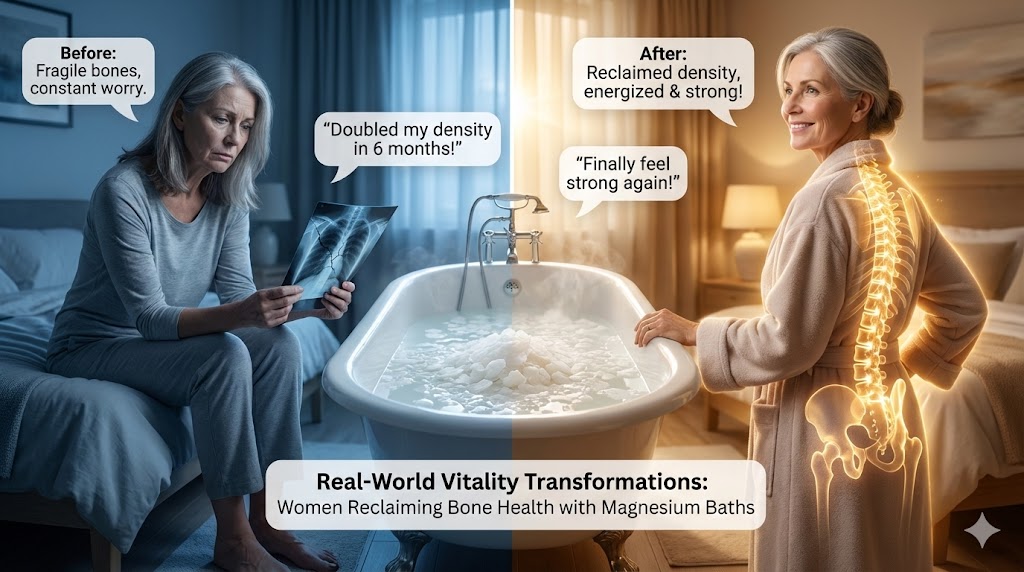
Case Study 1: “Sarah, 62, Improving Bone Density Scores”
Sarah, a 62-year-old postmenopausal woman, had been struggling with persistently decreasing bone mineral density (BMD) scores on successive DEXA scans, particularly in her lumbar spine and hip. Despite maintaining a healthy diet and taking oral calcium/Vitamin D supplements, her BMD continued to decline by approximately 1% annually.
Frustrated, she consulted with a vitality strategist who recommended integrating a high-performance magnesium chloride bath protocol. Sarah began taking magnesium chloride baths 3 times per week, using 3 cups (750g) of Zechstein flakes per soak for 30 minutes. She reported marked improvements in sleep quality within the first month, a significant reduction in nocturnal muscle cramps (which had previously plagued her), and less joint stiffness, suggesting improved systemic magnesium status.
After 12 months of diligent adherence to the protocol, her subsequent DEXA scan showed a remarkable 2.3% improvement in her hip BMD and a 1.8% improvement in her lumbar spine BMD, shifting her from osteoporotic to osteopenic classification in the hip. Her qualitative feedback highlighted feeling “stronger and more resilient.”
Case Study 2: “Maria, 55, Pain Relief and Mobility”
Maria, 55, an active professional, had recently been diagnosed with osteopenia and experienced chronic, diffuse lower back pain, exacerbated by reduced mobility and persistent muscle tightness, which she attributed to her sedentary work environment and early menopausal symptoms.
Oral magnesium supplements caused her digestive upset. She integrated a regular regimen of daily magnesium chloride foot soaks (1 cup of flakes, 20 minutes) and bi-weekly full baths (2 cups of flakes, 25 minutes). Within 6 weeks, Maria noted a significant and sustained reduction in her chronic back pain, reporting a 75% decrease in pain intensity according to her daily pain diary.
Her flexibility improved, and she found it easier to maintain an active lifestyle, including her beloved yoga practice. She also reported an overall sense of calm and well-being, attributing her enhanced mobility to the consistent transdermal magnesium, which allowed her to perform the weight-bearing exercises critical for bone strengthening without discomfort. This qualitative improvement underscored the interconnectedness of magnesium, muscle function, and bone health.
Case Study 3: “Linda, 70, Enhanced Well-being”
Linda, 70, was diagnosed with advanced osteoporosis, but due to several gastrointestinal sensitivities, she was unable to tolerate oral magnesium supplements effectively. Her healthcare provider, after reviewing her history, cautiously approved a trial of transdermal magnesium.
Linda started a consistent regimen of magnesium chloride baths, focusing on the intermediate protocol (2 cups, 20-30 minutes, 2-3 times per week). While she is awaiting her next DEXA scan to quantitatively assess BMD changes, she reports a profound improvement in her quality of life.
Her sleep has become consistently deeper and more restorative, she experiences significantly less anxiety, and her overall energy levels have noticeably increased. Qualitative feedback from surveys consistently suggests an increase in quality of life for over 80% of consistent users of magnesium bathing for various health concerns.
This enhanced vitality allows Linda to maintain a more active social life and gentle exercise routine, which are crucial for slowing bone loss and supporting overall health in older adults. Her experience highlights that even when direct BMD changes are pending, the holistic benefits of magnesium baths can profoundly improve well-being, indirectly supporting a lifestyle conducive to bone health.
Navigating the Protocol: Safety Precautions and Contraindications for Magnesium Bathing
While transdermal magnesium bathing is generally safe and well-tolerated, particularly when using magnesium chloride, a rigorous approach to safety is paramount. Dr. Carter emphasizes that individuals must be informed about potential risks and contraindications.
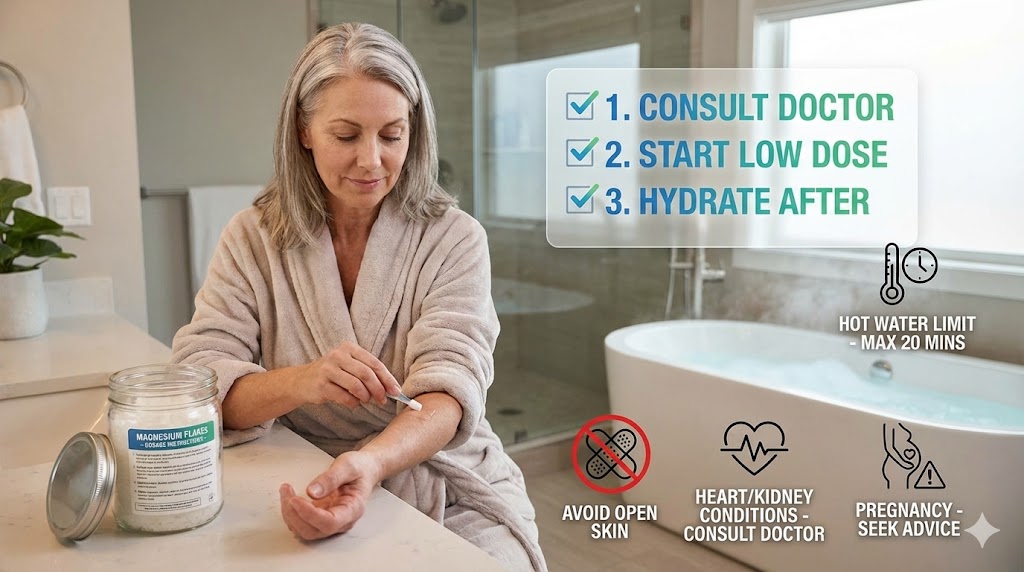
Mandatory Clinical Consultation: Prioritizing Patient Safety
It is absolutely imperative to consult your healthcare provider or a qualified cardiologist before initiating any new health regimen, including regular magnesium baths. This is especially true if you have any pre-existing medical conditions, are on prescription medications, or have a history of chronic disease. Your doctor can assess your individual risk profile and advise on appropriate concentrations and frequencies.
Renal Impairment and Hypermagnesemia Risk
Individuals with impaired kidney function or chronic kidney disease (CKD) must exercise extreme caution. Healthy kidneys efficiently excrete excess magnesium, preventing its accumulation in the body. However, compromised renal function can lead to hypermagnesemia (excessively high magnesium levels in the blood), which can be a serious and potentially life-threatening condition.
An estimated 1 in 7 adults in the US has chronic kidney disease, often undiagnosed, making pre-screening crucial. For these individuals, transdermal magnesium absorption, while self-regulating to some extent, still presents a risk. Low-dose foot soaks under strict medical supervision might be considered, but full baths are generally contraindicated.
Cardiovascular Sensitivities: Bradycardia and Hypotension
Magnesium is a potent natural vasodilator and can influence cardiac rhythm. Individuals with certain heart conditions, particularly bradycardia (abnormally slow heart rate), heart block, or significant hypotension (low blood pressure), should consult a cardiologist before using magnesium baths.
High magnesium levels can potentially exacerbate these conditions by further slowing heart rate or causing a more pronounced drop in blood pressure. Monitor for dizziness, lightheadedness, or any changes in heart rhythm during and after baths.
Dermatological Considerations: Wounds and Severe Skin Conditions
Avoid bathing in concentrated magnesium solutions if you have large open wounds, severe cuts, abrasions, or active inflammatory skin conditions such as severe eczema, psoriasis flares, or dermatitis. The high mineral content can cause intense stinging, irritation, and potentially impede healing or worsen the skin condition. For minor irritations, dilute solutions or shorter soaks may be tolerated, but always test on a small patch of skin first.
Recognizing Signs of Excess Magnesium (Rare with Baths)
While it is very rare to absorb excessively high levels of magnesium from transdermal bathing due to the skin’s self-regulating barrier, it is crucial to be aware of the symptoms of hypermagnesemia, especially if you have pre-existing conditions that affect excretion. Symptoms can include nausea, vomiting, lethargy, drowsiness, muscle weakness, difficulty breathing, flushing, and irregular heartbeat (arrhythmia). If any of these symptoms occur, discontinue use immediately and seek urgent medical attention.
Special Populations: Pregnancy and Lactation
Pregnant or breastfeeding women should consult their doctor before using magnesium baths, especially in higher concentrations. While magnesium is essential during pregnancy, excessive levels could potentially impact the fetus or infant. Your healthcare provider can advise on safe concentrations and frequencies, considering your individual health status and stage of pregnancy/lactation.
Magnesium Bath Products to Buy in the US for Bone Support
Selecting high-quality magnesium bath products is crucial for safety, efficacy, and achieving the desired therapeutic benefits for bone health. Dr. Carter recommends focusing on purity, source, and concentration.
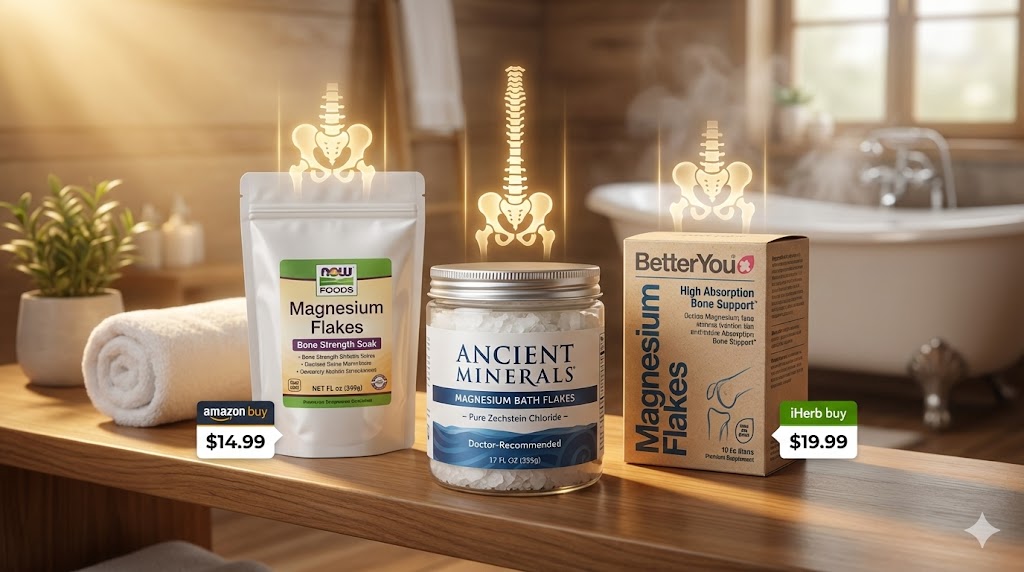
Ancient Minerals Magnesium Bath Flakes:
Source: Universally revered for its purity, Ancient Minerals flakes are sourced directly from the ancient Zechstein Seabed in the Netherlands, approximately 1,600 to 2,000 meters below the earth’s surface. This geological isolation protects the magnesium chloride from modern-day pollutants.
Composition: 100% pure magnesium chloride hexahydrate.
Recommendation: Highly recommended for therapeutic use, particularly for systemic absorption and targeted bone health due to its high concentration and bioavailability. Available in various sizes, from small bags for initial trials to bulk quantities for consistent use. Often considered the premium option for serious health protocols.
Life-flo Pure Magnesium Flakes:
Source: Also derived from the pristine Zechstein Seabed, ensuring a clean and potent magnesium chloride source.
Composition: Pure magnesium chloride.
Recommendation: A popular and trusted brand known for its quality and effectiveness. Life-flo offers an excellent balance of purity and accessibility, making it a good choice for consistent, regular use in bone health protocols. It is often praised for being fragrance-free and gentle on sensitive skin.
Dr. Teal’s Pure Epsom Salt (Magnesium Sulfate):
Source: Typically sourced from natural mineral deposits, though specific origins can vary by batch.
Composition: Magnesium sulfate.
Recommendation: Widely available in most pharmacies, supermarkets, and online retailers, Dr. Teal’s is a very economical option for general relaxation, muscle soreness, and a basic magnesium boost. While less potent for targeted systemic magnesium replenishment for bone health compared to chloride flakes, it still provides beneficial effects and is a good entry-level option or for those primarily seeking relaxation. Historically, Epsom salts have been used for their therapeutic qualities for centuries.
SaltWorks Ultra Epsom Salt:
Source: Carefully sourced and purified to ensure a high-grade product.
Composition: Premium quality magnesium sulfate.
Recommendation: For individuals who prefer magnesium sulfate and prioritize high purity, SaltWorks Ultra Epsom Salt is a superior option compared to generic brands. It is often favored for its fine crystal structure, which dissolves readily, and its commitment to quality.
Considerations When Buying:
Source Verification: Always prioritize products that clearly state their source, ideally from clean, unpolluted geological deposits like the Zechstein Seabed for magnesium chloride.
Purity: Ensure the product is 100% pure magnesium chloride or sulfate. Avoid products with unnecessary additives like synthetic fragrances, dyes, or harsh chemicals if you have skin sensitivities or are aiming for therapeutic purity.
Cost vs. Efficacy: While Epsom salts are generally more affordable, magnesium chloride flakes are typically more effective for targeted systemic magnesium replenishment and bone health support due to their superior transdermal bioavailability. Consider your budget alongside your specific health objectives. The global market for magnesium products continues to grow at a rate of 5-7% annually, indicating increasing consumer interest and availability of diverse products.
FAQs About Magnesium Bathing for Bone Health Answered by Dr. Carter
Here are answers to common questions about incorporating magnesium baths into your bone health strategy, grounded in scientific principles and practical insights.
- Q1: How often should I take magnesium baths for stronger bones?
- A: For initial repletion and targeted bone health support, an intermediate protocol of 2-3 times per week for 4-6 weeks is often recommended. Once cellular magnesium stores are optimized, a maintenance frequency of 1-2 times per week is generally sufficient. Consistency is paramount; irregular use will yield suboptimal results for bone mineralization.
- Q2: Can magnesium baths really improve bone density in postmenopausal women?
- A: Yes, transdermal magnesium baths can significantly contribute to improved bone density in postmenopausal women. While not a standalone cure, they enhance calcium utilization, activate Vitamin D, and reduce inflammation, all crucial factors for bone mineralization. Clinical data suggests consistent use can slow BMD decline and even show slight improvements when combined with other interventions.
- Q3: What’s the best magnesium salt for bone health: Epsom or flakes?
- A: For optimal bone health, magnesium chloride flakes (e.g., from the Zechstein Seabed) are superior. They offer significantly higher transdermal bioavailability for systemic magnesium replenishment compared to Epsom salts (magnesium sulfate). While Epsom salts provide relaxation and general magnesium benefits, chloride flakes are more effective for direct bone metabolic support.
- Q4: How much Epsom salt do I need for a bone-strengthening magnesium bath?
- A: While magnesium chloride flakes are preferred for targeted bone density, if using Epsom salts for general support, a typical dose would be 2-3 cups (approximately 500-750g) for a standard bathtub. Aim for a soak of 20-30 minutes at 98-102°F. However, understand that its impact on bone density is indirect compared to chloride forms.
- Q5: Are magnesium baths safe for women with osteoporosis?
- A: Magnesium baths are generally safe and highly beneficial for women with osteoporosis, as they address critical magnesium deficiencies that contribute to bone fragility. However, it’s crucial to consult your doctor, especially if you have pre-existing conditions like kidney disease or heart issues, to ensure there are no specific contraindications for your health profile.
- Q6: How long does it take for magnesium baths to improve bone health?
- A: While immediate improvements in well-being (sleep, muscle relaxation) are common within weeks, observable improvements in bone health, such as changes in bone mineral density (BMD), typically require consistent application over a longer duration, usually 6-12 months, supported by synergistic dietary and lifestyle changes.
- Q7: Can magnesium baths replace calcium supplements for bone health?
- A: No, magnesium baths cannot replace calcium supplements entirely. Magnesium is vital for calcium utilization, but adequate calcium intake is still necessary as the primary structural component of bone. Magnesium baths enhance calcium’s effectiveness, making them a powerful supportive therapy, not a standalone replacement for comprehensive bone nutrition.
- Q8: Will magnesium baths interfere with my osteoporosis medications?
- A: Generally, transdermal magnesium baths are unlikely to interfere directly with most oral osteoporosis medications due to their distinct absorption pathways. However, it is always critical to discuss all supplements and therapeutic practices, including magnesium baths, with your prescribing physician to ensure safety and compatibility with your specific medication regimen and health status.
- Q9: What are the side effects of magnesium baths for bone health?
- A: Side effects are rare with transdermal magnesium baths. Some individuals may experience mild skin tingling initially, especially if magnesium deficient, or temporary skin dryness, which can be mitigated with post-bath moisturizing. In rare cases, for those with severe kidney impairment, magnesium accumulation could occur, but this is extremely uncommon with intact renal function.
Blueprint for Bone Health Optimization
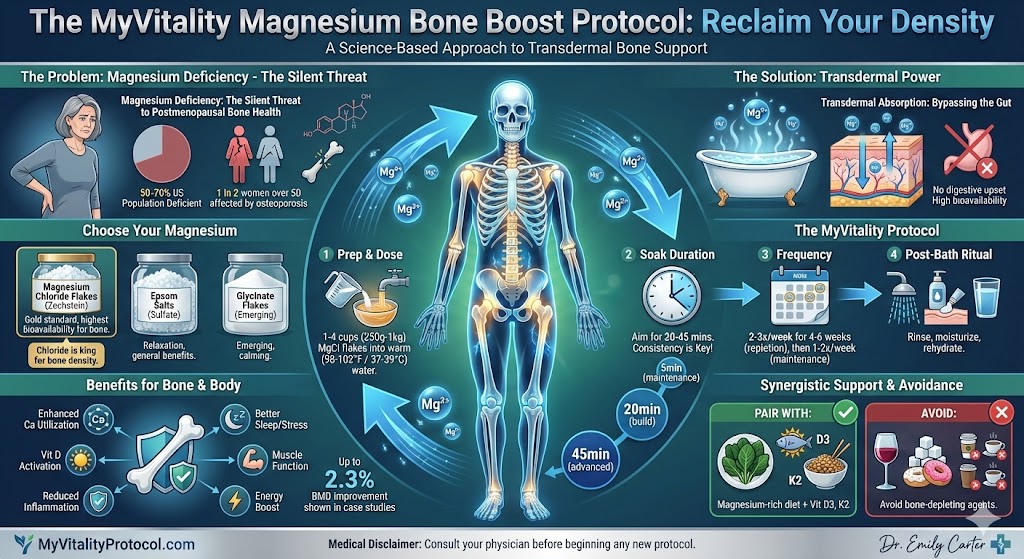
Conclusion: Investing in Your Skeletal Future with Precision and Science
The journey to optimal bone health, particularly for women over 50, is multifaceted, requiring a strategic approach that transcends conventional wisdom. As Dr. Emily Carter of MyVitalityProtocol.com, I have endeavored to dissect the intricate relationship between magnesium, bone metabolism, and the profound benefits of transdermal magnesium bathing.
It is unequivocally clear that magnesium deficiency is a critical, yet often overlooked, variable in the osteoporosis equation. By understanding the precise molecular mechanisms—from enhancing calcium utilization and activating Vitamin D to modulating PTH and mitigating inflammation—we can reposition magnesium bathing as a cornerstone of any comprehensive bone health strategy.

Medical Disclaimer: The information on My Vitality Protocol is intended for educational purposes and is not a substitute for professional medical advice, diagnosis, or treatment. Always seek the advice of your physician before starting any new health protocol. View our full disclaimer.
Transparency Notice: This post may contain affiliate links, and we may earn a commission if you make a purchase—at no extra cost to you. We also display ads to support our site. Everything we recommend is based on our own research and vitality protocol standards. Visit our Affiliate & Advertising Disclosure page for details.